

George Brown Polytechnic is located on the traditional territory of the Mississaugas of the Credit First Nation and other Indigenous peoples who have lived here over time. We are grateful to share this land as treaty people who learn, work and live in the community with each other.
Social Service Worker
(C119)

Program Details
- Program Code: C119
- Credential: Ontario College Diploma
- Duration: 2 years (4 semesters)
- Method of Study: Full-time
- Starting Months: September
- Domestic Tuition: $4,104.00 *
- International Tuition: $19,245.00 **
Program Availability
| Semester | Domestic | International |
|---|---|---|
| Fall 2027 | Open | Open |
| Winter 2028 | Not Available | Not Available |
| Spring 2028 | Not Available | Not Available |
- Work-Integrated Learning:
Field Placement
- PGWP Eligible: Yes
- CIP Code: 44.0000
- Please note that field of study/CIP code is only one component of PGWP eligibility. Please consult the official IRCC PGWP eligibility webpage (opens in a new tab) for the most current and complete information.
Get answers to your questions
Book info sessionProgram Description
Leadership Claims
Proudly preparing Social Service Worker graduates to be agents of, and allies for, change and social justice in diverse communities for over 20 years.
Program Overview
The Social Service Worker diploma program combines classroom learning with field experience (work-integrated learning) to help you build the knowledge and skills you need for professional practice. You will study theoretical models and approaches to practice while developing practical skills in group facilitation, mental health support, social innovation, and anti-oppressive practice. While the program is delivered primarily in person, select courses offer online sections to enhance accessibility.
Graduates of this program are eligible to register with the Ontario College of Social Workers and Social Service Workers (OCSWSSW).
Full Description
George Brown Polytechnic's Social Service Worker (C119) two-year diploma program prepares you with the knowledge, values, and practical skills to work directly with a wide range of people confronting the full breadth of social issues and challenges.
If you have strong interpersonal skills and are committed to working toward a more just and equitable society by examining the dynamics of power, oppression, and social location, this program is for you. Upon graduation, you will be prepared for roles in a variety of agency settings, including mental health, homelessness, poverty, substance use and addictions, long-term care, criminal justice, crisis support, and settlement and immigration.
Throughout the program, you will examine the expanding roles and responsibilities of social service workers in large urban centres and other communities. While learning the theoretical models, methods, and methods of social service work practice, you will build skills in:
- Group facilitation
- Allyship and anti-oppressive practice
- Counselling
- Substance use and addiction
- Social change and proposal development
- Values, ethics and professional practice
- Mental health well-being
You will also gain valuable real-world experience with a supervised, unpaid year-long field placement. In preparation for your field or clinical placement (work-integrated learning) experiences, you will be required to work in multiple small and large groups within classes and community settings.
Many Social Service Worker program faculty have extensive professional experience in the following areas:
- Marginalized communities
- Institutional health and social service organizations
- Federal, provincial, and municipal governments
- Research and initiatives in social innovation
- A range of other not-for-profit organizations and agencies
- Direct practice with individuals, families, groups, and communities
Accelerated Social Service Worker Program Option
George Brown offers a full-time, one-year accelerated Social Service Worker (SSW) program to university graduates with a degree in a related field, such as psychology, sociology, women’s studies, environmental studies, education and cultural anthropology. If you have a degree from another discipline, you may be considered if you successfully complete a minimum of six relevant social science courses.
This SSW accelerated program option is also open to college and polytechnic diploma graduates, including:
Your Field Education Options
Field education is a key part of your learning experience and gives you the opportunity to apply classroom knowledge in a real-world setting.
In Year 2, you will have the chance to participate in a year-long unpaid field placement experience with a community agency for approximately 600 hours. While in placement, you will be supervised by qualified professional practitioners.
George Brown maintains relationships with agencies operating in a wide range of institutional and community-based settings throughout the Greater Toronto Area, to which you will have access. Using your own job search skills — supported by our field placement coordinator, field faculty, and GBP Career Services — you will take the lead in connecting with potential community placement partners. Students are not assigned a placement but, instead, use the tools gained in the first-year preparatory 14-week course to secure their own unpaid placement experience that reflects their interests.
Note: In compliance with the requirements of our field partners, all students in this program are required to complete a Vulnerable Sector Check before commencing their field placement. These reference checks, which can take up to four months, are done to protect the clientele of these agencies who are considered “vulnerable persons” under the law. The fees for the reference checks vary by region and must be paid by you. You will be responsible for ensuring that the check covers appropriateness for “individuals being employed and/or volunteering who will be working with vulnerable person(s).” The Social Service Worker (SSW) program will assist you in applying for the vulnerable sector check once you begin the program.
Without a "clear" Vulnerable Sector Check, you may find that your choice of placement is limited. In this situation, you will be encouraged to work with the field education coordinator to identify placement opportunities that do not require the Vulnerable Sector Check. You will also be encouraged to inquire and apply for the Suppression and Destruction of Record or Record Suspension (formerly known as Pardon) at your specific regional police services in order to prepare for your future career or employment. For more information, please visit the Clinical Pre-placement website.
Truth and Reconciliation Commitment
George Brown Polytechnic is a signatory of Colleges and Institutes Canada’s Indigenous Education Protocols, which reaffirms the importance of structures and approaches required to address Indigenous peoples' learning needs and support the self-determination and socio-economic development of Indigenous communities.
In response to this and to the Truth and Reconciliation Commission of Canada’s Calls to Action, the Social Service Worker program is committed to developing its students' capacity to work with Indigenous individuals, families, groups, and communities. The faculty acknowledges the support of Indigenous Education and Services at George Brown Polytechnic and the Negahneewin Council at Confederation College, who have helped them with this process. The Indigenous Learning Outcomes guide the integration of Indigenous learning into the curriculum.
Career & Postgraduate Study Opportunities
Educational Pathways
As a graduate of this Social Service Worker (SSW) program, you may leverage this diploma to complete a second George Brown Polytechnic diploma in a related field in a reduced time frame. Related programs include:
- Child and Youth Care [Accelerated]
- Early Childhood Education [Fast-Track]
- Community Worker [Accelerated]
Upon graduation, you may also qualify for advanced standing in the following programs:
- the Professional Communications B.A. and Justice Studies B.A. at Royal Roads University
- the Community Economic & Social Development B.A. at Algoma University
- the Bachelor of Social Work (BSW) programs at:
For further information, see the Transfer Guide. For details, please follow the links above to program websites.
Alumni Impact
We are immensely proud of the contributions of our alumni in Toronto and around the globe.
From Michelin-starred restaurants to major construction, entertainment, community and financial organizations, our graduates are truly making an impact across a range of industries.
Courses
Semester 1
| Code | Course Name |
|---|---|
| COMM2000 | Communicating Across Contexts |
| SWRK1026 | Canadian Social Welfare |
| SWRK1042 | Values, Ethics and Professional Practice |
| SWRK1063 | Understanding and Working with Groups |
| SWRK1121 | the Social Power, Privilege and Identity |
| GNED | General Elective |
Semester 2
| Code | Course Name |
|---|---|
| COUN1034 | Introduction to Counselling Skills in Social Service Work |
| ISHU1035 | Indigenous Studies |
| SWRK1064 | Preparation for Field and Professional Practice |
| SWRK1109 | Lifespan Development |
| SWRK2057 | Substance Use and Addiction |
| GNED | General Elective |
Semester 3
| Code | Course Name |
|---|---|
| SWRK2056 | Case Management:an Anti-Oppressive Approach |
| SWRK2058 | Perspectives on Mental Health |
| SWRK2090 | Fieldwork Practice |
| SWRK2091 | Fieldwork Seminar |
Program Specialization (One Required)
| Code | Course Name |
|---|---|
| SWRK2092 | Working with Older Adults |
| SWRK2093 | Disability Discourse: Implications for Ssw Practice |
| SWRK2095 | Deconstructing Internalized Oppression |
| SWRK2096 | Social Innovation for Social Change |
| SWRK2097 | Counselling Skills with Individuals and Families |
Semester 4
| Code | Course Name |
|---|---|
| SWRK1065 | Social Change and Proposal Development |
| SWRK2090 | Fieldwork Practice |
| SWRK2091 | Fieldwork Seminar |
Program Specialization (One Required)
| Code | Course Name |
|---|---|
| SWRK2092 | Working with Older Adults |
| SWRK2093 | Disability Discourse: Implications for Ssw Practice |
| SWRK2095 | Deconstructing Internalized Oppression |
| SWRK2096 | Social Innovation for Social Change |
| SWRK2097 | Counselling Skills with Individuals and Families |
Course Outline URL
Program Learning Outcomes
The following Ministry of Colleges and Universities’ program standards apply to all social service worker diploma programs delivered by Ontario Colleges of Applied Arts and Technology.
The graduate has reliably demonstrated the ability to:
- Develop respectful and collaborative professional and interpersonal relationships that adhere to professional, legal and ethical standards aligned to social service works.
- Record information accurately and communicate effectively in written, digital, verbal and nonverbal ways, in adherence to privacy and freedom of information legislation, in accordance with professional and workplace standards.
- Integrate a practice framework within a service delivery continuum, addressing the needs of individuals, families and communities at micro, mezzo, macro and global levels, and work with them in achieving their goals.
- Plan and implement accessible and responsive programs and services, recognizing the diverse needs and experiences of individuals, groups, families and communities and meeting these needs.
- Examine current social policy, relevant legislation and political, social, historical and/or economic systems and their impacts for individuals and communities when delivering services to the user/client.
- Develop strategies and approaches that support individual clients, groups, families and communities in building the capacity for self-advocacy, while affirming their dignity and self-worth.
- Work from an anti-oppressive, strengths-based practice, recognizing the capacity for resilience and growth of individuals and communities when responding to the diverse needs of marginalized or vulnerable populations to act as allies and advocates.
- Develop strategies and approaches to implement and maintain holistic self-care as a member of a human service profession.
- Work with individuals, groups, families and their communities to ensure that service provider strategies promote social and economic justice, and challenge patterns of oppression, discrimination and harassment, and sexual violence with clients, coworkers and communities.
- Develop the capacity to work with the Indigenous individual, families, groups and communities while respecting their inherent rights to self-determine, and to identify and address systemic barriers that produce ill effects, developing appropriate responses using approaches such as trauma-informed care practice.
Note: The learning outcomes have been numbered as a point of reference; numbering does not imply prioritization, sequencing, nor weighting of significance.
Tuition & Fees
Domestic Tuition
$4,104.00 *
International Tuition
$19,245.00 **
Additional Costs
* Amounts listed are the estimated total of tuition, materials, student service and ancillary fees for the first two semesters of programs starting in Fall 2026. Fees are subject to change for programs starting in Fall 2027 and at later dates. This fee does not include books, E-text and other material, which are to be purchased by the student separately.
** Amounts listed are the estimated total of tuition, materials, student service and ancillary fees for the first two semesters of programs starting in Fall 2026. Fees are subject to change for programs starting in Fall 2027 and at later dates. This fee does not include books, E-text and other material, which are to be purchased by the student separately.
International Students
Visit the International Fees and Related Costs page for more information.
Financial Assistance
This program is approved for OSAP funding, provided the applicant meets OSAP eligibility criteria.
Each year we award over $2 million dollars in scholarships, awards and bursaries to first-year students. Check out our financial aid web pages for ways to pay for college and the full list of available scholarships, awards and bursaries.
Admission Requirements
Applicants are selected on the basis of their academic achievement, including the required courses, and any other selection criteria outlined below.
- Ontario Secondary School Diploma or equivalent**
- grade 12 English (C or U) – minimum grade of 60 per cent required
** Mature Student Status (19 years of age or older and no OSSD)
Mature students may take the Admissions Assessment for English OR may consider upgrading to achieve the credit(s) needed in English.
Please note that George Brown is committed to ensuring that applicants will succeed in their program of choice and meeting the minimum requirements does not guarantee admission to the program. Applicants may be required to have grades higher than the minimum requirements stated.
Course Exemptions
College or university credits may qualify you for course exemptions. Please visit the Transfer Guide for more information.
International Students
Visit the International Admissions page for more information regarding country specific admission requirements.
Special Requirements
Vulnerable Sector Check requirements and program policy
In compliance with the requirements of our field partners, all students in this program are required to complete a Vulnerable Sector Check before commencing their field placement. These reference checks, which can take up to four months, are done to protect the clientele of these agencies who are considered “vulnerable persons” under the law. The fees for the vulnerable sector check vary by region and must be paid by the student. Students are responsible for ensuring that the check covers appropriateness for “individuals being employed and/or volunteering who will be working with vulnerable person(s).” The program will assist students in applying for vulnerable sector check once they begin the program. Students without a "clear" vulnerable sector check record may find that their choice of placement is limited. Students in this situation are encouraged to work with the field education coordinator to identify placement opportunities that do not require the vulnerable sector check. Students are also encouraged to inquire and apply for Suppression and Destruction of Record or Record Suspension (formerly known as Pardon) at their specific regional police services, in order to prepare for their future career or employment. For more information, please visit the Clinical Pre-placement Office website.
Our field placement partners may require students to show proof of vaccination. It is your responsibility to ensure all Pre-placement requirements are met.
How to Apply
Domestic students should apply through Ontario Colleges.
International Students
Visit the How to Apply page for more information on how and when to apply.
International students should apply through the George Brown Polytechnic Online Application System.
Contact Us
School of Social & Community Services
Email: communityservices@georgebrown.ca.
To contact one of our Social Service Worker Program Co-ordinators, please email sswcoordinators@georgebrown.ca
International Students
Contact one of our international recruitment representatives specializing by country of origin by either booking a virtual meeting or submitting an inquiry. For more information visit the International Contact Us page
Program Description
Leadership Claims
Proudly preparing Social Service Worker graduates to be agents of, and allies for, change and social justice in diverse communities for over 20 years.
Program Overview
The Social Service Worker diploma program combines classroom learning with field experience (work-integrated learning) to help you build the knowledge and skills you need for professional practice. You will study theoretical models and approaches to practice while developing practical skills in group facilitation, mental health support, social innovation, and anti-oppressive practice. While the program is delivered primarily in person, select courses offer online sections to enhance accessibility.
Graduates of this program are eligible to register with the Ontario College of Social Workers and Social Service Workers (OCSWSSW).
Full Description
George Brown Polytechnic's Social Service Worker (C119) two-year diploma program prepares you with the knowledge, values, and practical skills to work directly with a wide range of people confronting the full breadth of social issues and challenges.
If you have strong interpersonal skills and are committed to working toward a more just and equitable society by examining the dynamics of power, oppression, and social location, this program is for you. Upon graduation, you will be prepared for roles in a variety of agency settings, including mental health, homelessness, poverty, substance use and addictions, long-term care, criminal justice, crisis support, and settlement and immigration.
Throughout the program, you will examine the expanding roles and responsibilities of social service workers in large urban centres and other communities. While learning the theoretical models, methods, and methods of social service work practice, you will build skills in:
- Group facilitation
- Allyship and anti-oppressive practice
- Counselling
- Substance use and addiction
- Social change and proposal development
- Values, ethics and professional practice
- Mental health well-being
You will also gain valuable real-world experience with a supervised, unpaid year-long field placement. In preparation for your field or clinical placement (work-integrated learning) experiences, you will be required to work in multiple small and large groups within classes and community settings.
Many Social Service Worker program faculty have extensive professional experience in the following areas:
- Marginalized communities
- Institutional health and social service organizations
- Federal, provincial, and municipal governments
- Research and initiatives in social innovation
- A range of other not-for-profit organizations and agencies
- Direct practice with individuals, families, groups, and communities
Accelerated Social Service Worker Program Option
George Brown offers a full-time, one-year accelerated Social Service Worker (SSW) program to university graduates with a degree in a related field, such as psychology, sociology, women’s studies, environmental studies, education and cultural anthropology. If you have a degree from another discipline, you may be considered if you successfully complete a minimum of six relevant social science courses.
This SSW accelerated program option is also open to college and polytechnic diploma graduates, including:
Your Field Education Options
Field education is a key part of your learning experience and gives you the opportunity to apply classroom knowledge in a real-world setting.
In Year 2, you will have the chance to participate in a year-long unpaid field placement experience with a community agency for approximately 600 hours. While in placement, you will be supervised by qualified professional practitioners.
George Brown maintains relationships with agencies operating in a wide range of institutional and community-based settings throughout the Greater Toronto Area, to which you will have access. Using your own job search skills — supported by our field placement coordinator, field faculty, and GBP Career Services — you will take the lead in connecting with potential community placement partners. Students are not assigned a placement but, instead, use the tools gained in the first-year preparatory 14-week course to secure their own unpaid placement experience that reflects their interests.
Note: In compliance with the requirements of our field partners, all students in this program are required to complete a Vulnerable Sector Check before commencing their field placement. These reference checks, which can take up to four months, are done to protect the clientele of these agencies who are considered “vulnerable persons” under the law. The fees for the reference checks vary by region and must be paid by you. You will be responsible for ensuring that the check covers appropriateness for “individuals being employed and/or volunteering who will be working with vulnerable person(s).” The Social Service Worker (SSW) program will assist you in applying for the vulnerable sector check once you begin the program.
Without a "clear" Vulnerable Sector Check, you may find that your choice of placement is limited. In this situation, you will be encouraged to work with the field education coordinator to identify placement opportunities that do not require the Vulnerable Sector Check. You will also be encouraged to inquire and apply for the Suppression and Destruction of Record or Record Suspension (formerly known as Pardon) at your specific regional police services in order to prepare for your future career or employment. For more information, please visit the Clinical Pre-placement website.
Truth and Reconciliation Commitment
George Brown Polytechnic is a signatory of Colleges and Institutes Canada’s Indigenous Education Protocols, which reaffirms the importance of structures and approaches required to address Indigenous peoples' learning needs and support the self-determination and socio-economic development of Indigenous communities.
In response to this and to the Truth and Reconciliation Commission of Canada’s Calls to Action, the Social Service Worker program is committed to developing its students' capacity to work with Indigenous individuals, families, groups, and communities. The faculty acknowledges the support of Indigenous Education and Services at George Brown Polytechnic and the Negahneewin Council at Confederation College, who have helped them with this process. The Indigenous Learning Outcomes guide the integration of Indigenous learning into the curriculum.
Career & Postgraduate Study Opportunities
Educational Pathways
As a graduate of this Social Service Worker (SSW) program, you may leverage this diploma to complete a second George Brown Polytechnic diploma in a related field in a reduced time frame. Related programs include:
- Child and Youth Care [Accelerated]
- Early Childhood Education [Fast-Track]
- Community Worker [Accelerated]
Upon graduation, you may also qualify for advanced standing in the following programs:
- the Professional Communications B.A. and Justice Studies B.A. at Royal Roads University
- the Community Economic & Social Development B.A. at Algoma University
- the Bachelor of Social Work (BSW) programs at:
For further information, see the Transfer Guide. For details, please follow the links above to program websites.
Courses
Semester 1
| Code | Course Name |
|---|---|
| COMM2000 | Communicating Across Contexts |
| SWRK1026 | Canadian Social Welfare |
| SWRK1042 | Values, Ethics and Professional Practice |
| SWRK1063 | Understanding and Working with Groups |
| SWRK1121 | the Social Power, Privilege and Identity |
| GNED | General Elective |
Semester 2
| Code | Course Name |
|---|---|
| COUN1034 | Introduction to Counselling Skills in Social Service Work |
| ISHU1035 | Indigenous Studies |
| SWRK1064 | Preparation for Field and Professional Practice |
| SWRK1109 | Lifespan Development |
| SWRK2057 | Substance Use and Addiction |
| GNED | General Elective |
Semester 3
| Code | Course Name |
|---|---|
| SWRK2056 | Case Management:an Anti-Oppressive Approach |
| SWRK2058 | Perspectives on Mental Health |
| SWRK2090 | Fieldwork Practice |
| SWRK2091 | Fieldwork Seminar |
Program Specialization (One Required)
| Code | Course Name |
|---|---|
| SWRK2092 | Working with Older Adults |
| SWRK2093 | Disability Discourse: Implications for Ssw Practice |
| SWRK2095 | Deconstructing Internalized Oppression |
| SWRK2096 | Social Innovation for Social Change |
| SWRK2097 | Counselling Skills with Individuals and Families |
Semester 4
| Code | Course Name |
|---|---|
| SWRK1065 | Social Change and Proposal Development |
| SWRK2090 | Fieldwork Practice |
| SWRK2091 | Fieldwork Seminar |
Program Specialization (One Required)
| Code | Course Name |
|---|---|
| SWRK2092 | Working with Older Adults |
| SWRK2093 | Disability Discourse: Implications for Ssw Practice |
| SWRK2095 | Deconstructing Internalized Oppression |
| SWRK2096 | Social Innovation for Social Change |
| SWRK2097 | Counselling Skills with Individuals and Families |
Course Outline URL
Tuition & Fees
Domestic Tuition
$4,104.00 *
International Tuition
$19,245.00 **
Additional Costs
* Amounts listed are the estimated total of tuition, materials, student service and ancillary fees for the first two semesters of programs starting in Fall 2026. Fees are subject to change for programs starting in Fall 2027 and at later dates. This fee does not include books, E-text and other material, which are to be purchased by the student separately.
** Amounts listed are the estimated total of tuition, materials, student service and ancillary fees for the first two semesters of programs starting in Fall 2026. Fees are subject to change for programs starting in Fall 2027 and at later dates. This fee does not include books, E-text and other material, which are to be purchased by the student separately.
International Students
Visit the International Fees and Related Costs page for more information.
Financial Assistance
This program is approved for OSAP funding, provided the applicant meets OSAP eligibility criteria.
Each year we award over $2 million dollars in scholarships, awards and bursaries to first-year students. Check out our financial aid web pages for ways to pay for college and the full list of available scholarships, awards and bursaries.
Admission Requirements
Applicants are selected on the basis of their academic achievement, including the required courses, and any other selection criteria outlined below.
- Ontario Secondary School Diploma or equivalent**
- grade 12 English (C or U) – minimum grade of 60 per cent required
** Mature Student Status (19 years of age or older and no OSSD)
Mature students may take the Admissions Assessment for English OR may consider upgrading to achieve the credit(s) needed in English.
Please note that George Brown is committed to ensuring that applicants will succeed in their program of choice and meeting the minimum requirements does not guarantee admission to the program. Applicants may be required to have grades higher than the minimum requirements stated.
Course Exemptions
College or university credits may qualify you for course exemptions. Please visit the Transfer Guide for more information.
International Students
Visit the International Admissions page for more information regarding country specific admission requirements.
Special Requirements
Vulnerable Sector Check requirements and program policy
In compliance with the requirements of our field partners, all students in this program are required to complete a Vulnerable Sector Check before commencing their field placement. These reference checks, which can take up to four months, are done to protect the clientele of these agencies who are considered “vulnerable persons” under the law. The fees for the vulnerable sector check vary by region and must be paid by the student. Students are responsible for ensuring that the check covers appropriateness for “individuals being employed and/or volunteering who will be working with vulnerable person(s).” The program will assist students in applying for vulnerable sector check once they begin the program. Students without a "clear" vulnerable sector check record may find that their choice of placement is limited. Students in this situation are encouraged to work with the field education coordinator to identify placement opportunities that do not require the vulnerable sector check. Students are also encouraged to inquire and apply for Suppression and Destruction of Record or Record Suspension (formerly known as Pardon) at their specific regional police services, in order to prepare for their future career or employment. For more information, please visit the Clinical Pre-placement Office website.
Our field placement partners may require students to show proof of vaccination. It is your responsibility to ensure all Pre-placement requirements are met.
How to Apply
Domestic students should apply through Ontario Colleges.
International Students
Visit the How to Apply page for more information on how and when to apply.
International students should apply through the George Brown Polytechnic Online Application System.
Program Learning Outcomes
The following Ministry of Colleges and Universities’ program standards apply to all social service worker diploma programs delivered by Ontario Colleges of Applied Arts and Technology.
The graduate has reliably demonstrated the ability to:
- Develop respectful and collaborative professional and interpersonal relationships that adhere to professional, legal and ethical standards aligned to social service works.
- Record information accurately and communicate effectively in written, digital, verbal and nonverbal ways, in adherence to privacy and freedom of information legislation, in accordance with professional and workplace standards.
- Integrate a practice framework within a service delivery continuum, addressing the needs of individuals, families and communities at micro, mezzo, macro and global levels, and work with them in achieving their goals.
- Plan and implement accessible and responsive programs and services, recognizing the diverse needs and experiences of individuals, groups, families and communities and meeting these needs.
- Examine current social policy, relevant legislation and political, social, historical and/or economic systems and their impacts for individuals and communities when delivering services to the user/client.
- Develop strategies and approaches that support individual clients, groups, families and communities in building the capacity for self-advocacy, while affirming their dignity and self-worth.
- Work from an anti-oppressive, strengths-based practice, recognizing the capacity for resilience and growth of individuals and communities when responding to the diverse needs of marginalized or vulnerable populations to act as allies and advocates.
- Develop strategies and approaches to implement and maintain holistic self-care as a member of a human service profession.
- Work with individuals, groups, families and their communities to ensure that service provider strategies promote social and economic justice, and challenge patterns of oppression, discrimination and harassment, and sexual violence with clients, coworkers and communities.
- Develop the capacity to work with the Indigenous individual, families, groups and communities while respecting their inherent rights to self-determine, and to identify and address systemic barriers that produce ill effects, developing appropriate responses using approaches such as trauma-informed care practice.
Note: The learning outcomes have been numbered as a point of reference; numbering does not imply prioritization, sequencing, nor weighting of significance.
Contact Us
School of Social & Community Services
Email: communityservices@georgebrown.ca.
To contact one of our Social Service Worker Program Co-ordinators, please email sswcoordinators@georgebrown.ca
International Students
Contact one of our international recruitment representatives specializing by country of origin by either booking a virtual meeting or submitting an inquiry. For more information visit the International Contact Us page

Visit St. James Campus
Book campus tourGet answers to your questions
Book info sessionVisit
Our Virtual Tour showcases the following areas:
- Campus Facilities
- Student Services
- Applied Learning Environments
- Labs & Classrooms
Social Service Worker
(C119)
Program Details
- Program Code: C119
- Credential: Ontario College Diploma
- Duration: 2 years (4 semesters)
- Method of Study: Full-time
- Starting Months: September
- Domestic Tuition: $3,930.00 *
- International Tuition: $19,085.00 **
- Fall 2026 Delivery: Semester 1, 3: On Campus
- Winter 2027 Delivery: Semester 2, 4: On Campus
Program Availability
| Semester | Domestic | International |
|---|---|---|
| Fall 2026 | Closed | Closed |
| Winter 2027 | Not Available | Not Available |
| Spring 2027 | Not Available | Not Available |
- Work-Integrated Learning:
Field Placement
- PGWP Eligible: Yes
- CIP Code: 44.0000
- Please note that field of study/CIP code is only one component of PGWP eligibility. Please consult the official IRCC PGWP eligibility webpage (opens in a new tab) for the most current and complete information.
Get answers to your questions
Book info sessionProgram Description
Leadership Claims
George Brown Polytechnic has been preparing Social Service Worker graduates to be agents of and allies for change and social justice in diverse communities for 20 years.
Program Overview
The Social Service Worker diploma program combines in-class learning with field experience to teach you the skills you need to succeed. You will study theoretical models and approaches to practice as you develop skills in group facilitation, mental health supports, social innovation and anti-oppressive practice. Please note that while the program is classroom-based, a few specific courses offer online sections to enhance access.
Graduates of this program are eligible to register with the Ontario College of Social Workers and Social Service Workers (OCSWSSW).
Full Description
The Social Service Worker (C119) two-year diploma program will teach you the knowledge, values and skills you need to work directly with a wide range of people confronting the full breadth of social issues and challenges.
If you have strong interpersonal skills, are committed to working toward a more just and equitable society by examining the dynamics of power, oppression, and social location - this program is for you. As a graduate of this program, you will be prepared for roles in a variety of agency settings, including mental health, homelessness, poverty, substance use and addictions, long-term care, criminal justice, crisis supports, and settlement and immigration.
You will examine social service workers' expanding professional roles and responsibilities in large urban centres and other communities. In addition to learning the theoretical models, methods, and skills of social service work practice, you will study and develop skills in the following:
- group facilitation
- allyship and anti-oppressive practice
- counselling
- substance use and addiction
- social change and proposal development
- values, ethics and professional practice
- mental health well-being
You will also gain real-world experience with a supervised unpaid year-long field placement. In preparation for your the field or clinical placement experiences, you will be required to work in multiple small and large groups within classes and community settings.
Many Social Service Worker program faculty have professional experience in the following areas:
- marginalized communities
- institutional health and social service organizations
- federal, provincial, and municipal governments
- research and initiatives in social innovation
- a range of not-for-profit organizations and agencies
- direct practice with individuals, families, groups, and communities
Your Field Education Options
As a student in this program, field education will provide you with a significant learning opportunity.
In year two, you will have the chance to participate in a year-long unpaid field placement experience with a community agency for approximately 600 hours. While in placement, you will be supervised by qualified professional practitioners.
George Brown maintains relationships with agencies operating in a wide range of institutional and community-based settings throughout the Greater Toronto Area, which you will have access to. Using your own job search skills — supported by our field placement coordinator, field faculty, and GBC Career Services — you will take the lead in connecting with potential community placement partners. Students are not assigned a placement but, instead, use the tools gained in the first-year preparatory 14-week course to secure their own unpaid placement experience that reflects their interests.
Note: In compliance with the requirements of our field partners, all students in this program are required to complete a Vulnerable Sector Check before commencing their field placement. These reference checks, which can take up to four months, are done to protect the clientele of these agencies who are considered “vulnerable persons” under the law. The fees for the reference checks vary by region and must be paid by you. You will be responsible for ensuring that the check covers appropriateness for “individuals being employed and/or volunteering who will be working with vulnerable person(s).” The Social Service Worker (SSW) program will assist you in applying for the vulnerable sector check once you begin the program.
Without a "clear" Vulnerable Sector Check, you may find that your choice of placement is limited. In this situation, you will be encouraged to work with the field education coordinator to identify placement opportunities that do not require the Vulnerable Sector Check. You will also be encouraged to inquire and apply for Suppression and Destruction of Record or Record Suspension (formerly known Pardon) at your specific regional police services in order to prepare for your future career or employment. For more information, please visit the Clinical Pre-placement website.
Accelerated Social Service Worker Program Option
George Brown offers a full-time, one-year accelerated Social Service Worker (SSW) program to university graduates with a degree in a related field, such as psychology, sociology, women’s studies, environmental studies, education and cultural anthropology. If you have a degree from another discipline, you may be considered if you successfully complete a minimum of six relevant social science courses.
This SSW accelerated program option is also open to college diploma graduates, including:
- Assaulted Women’s and Children’s Counsellor/Advocate
- Child and Youth Care
- Community Worker
- Behavioural Science Technician
- Recreation Management in Gerontology
- Early Childhood Education
George Brown Polytechnic is a signatory of Colleges and Institutes Canada’s Indigenous Education Protocols, which reaffirms the importance of structures and approaches required to address Indigenous peoples' learning needs and support the self-determination and socio-economic development of Indigenous communities.
In response to this and the Truth and Reconciliation Commission of Canada’s Calls to Action, the Social Service Worker program is committed to developing the capacity of its students to work with Indigenous individuals, families, groups, and communities. The faculty acknowledges the support of Indigenous Education and Services at George Brown Polytechnic and the Negahneewin Council at Confederation College, who have helped them with this process. The Indigenous Learning Outcomes guide the integration of Indigenous learning into the curriculum.
Career & Postgraduate Study Opportunities
Educational Pathways
As a graduate of this Social Service Worker (SSW) program, you may leverage this diploma to complete a second George Brown Polytechnic diploma in a related field in a reduced time frame. Related programs include:
- Child and Youth Care [Accelerated]
- Early Childhood Education [Fast-Track]
- Community Worker [Accelerated]
- Assaulted Women and Children's Counsellor/Advocate [Accelerated]
Upon graduation, you may also qualify for advanced standing in the following programs:
- the Professional Communications B.A. and Justice Studies B.A. at Royal Roads University
- the Community Economic & Social Development B.A. at Algoma University
- the Bachelor of Social Work (BSW) programs at:
For further information, see the Transfer Guide. For details, please follow the links above to program websites.
Alumni Impact
We are immensely proud of the contributions of our alumni in Toronto and around the globe.
From Michelin-starred restaurants to major construction, entertainment, community and financial organizations, our graduates are truly making an impact across a range of industries.
Courses
Semester 1
| Code | Course Name |
|---|---|
| COMM2000 | Communicating Across Contexts |
| SWRK1026 | Canadian Social Welfare |
| SWRK1042 | Values, Ethics and Professional Practice |
| SWRK1063 | Understanding and Working with Groups |
| SWRK1121 | the Social Power, Privilege and Identity |
| GNED | General Elective |
Semester 2
| Code | Course Name |
|---|---|
| COUN1034 | Introduction to Counselling Skills in Social Service Work |
| ISHU1035 | Indigenous Studies |
| SWRK1064 | Preparation for Field and Professional Practice |
| SWRK1109 | Lifespan Development |
| SWRK2057 | Substance Use and Addiction |
| GNED | General Elective |
Semester 3
| Code | Course Name |
|---|---|
| SWRK2056 | Case Management:an Anti-Oppressive Approach |
| SWRK2058 | Perspectives on Mental Health |
| SWRK2090 | Fieldwork Practice |
| SWRK2091 | Fieldwork Seminar |
Program Specialization (One Required)
| Code | Course Name |
|---|---|
| SWRK2092 | Working with Older Adults |
| SWRK2093 | Disability Discourse: Implications for Ssw Practice |
| SWRK2095 | Deconstructing Internalized Oppression |
| SWRK2096 | Social Innovation for Social Change |
| SWRK2097 | Counselling Skills with Individuals and Families |
Semester 4
| Code | Course Name |
|---|---|
| SWRK1065 | Social Change and Proposal Development |
| SWRK2090 | Fieldwork Practice |
| SWRK2091 | Fieldwork Seminar |
Program Specialization (One Required)
| Code | Course Name |
|---|---|
| SWRK2092 | Working with Older Adults |
| SWRK2093 | Disability Discourse: Implications for Ssw Practice |
| SWRK2095 | Deconstructing Internalized Oppression |
| SWRK2096 | Social Innovation for Social Change |
| SWRK2097 | Counselling Skills with Individuals and Families |
Course Outline URL
Program Learning Outcomes
The following Ministry of Colleges and Universities’ program standards apply to all social service worker diploma programs delivered by Ontario Colleges of Applied Arts and Technology.
The graduate has reliably demonstrated the ability to:
- Develop respectful and collaborative professional and interpersonal relationships that adhere to professional, legal and ethical standards aligned to social service works.
- Record information accurately and communicate effectively in written, digital, verbal and nonverbal ways, in adherence to privacy and freedom of information legislation, in accordance with professional and workplace standards.
- Integrate a practice framework within a service delivery continuum, addressing the needs of individuals, families and communities at micro, mezzo, macro and global levels, and work with them in achieving their goals.
- Plan and implement accessible and responsive programs and services, recognizing the diverse needs and experiences of individuals, groups, families and communities and meeting these needs.
- Examine current social policy, relevant legislation and political, social, historical and/or economic systems and their impacts for individuals and communities when delivering services to the user/client.
- Develop strategies and approaches that support individual clients, groups, families and communities in building the capacity for self-advocacy, while affirming their dignity and self-worth.
- Work from an anti-oppressive, strengths-based practice, recognizing the capacity for resilience and growth of individuals and communities when responding to the diverse needs of marginalized or vulnerable populations to act as allies and advocates.
- Develop strategies and approaches to implement and maintain holistic self-care as a member of a human service profession.
- Work with individuals, groups, families and their communities to ensure that service provider strategies promote social and economic justice, and challenge patterns of oppression, discrimination and harassment, and sexual violence with clients, coworkers and communities.
- Develop the capacity to work with the Indigenous individual, families, groups and communities while respecting their inherent rights to self-determine, and to identify and address systemic barriers that produce ill effects, developing appropriate responses using approaches such as trauma-informed care practice.
Note: The learning outcomes have been numbered as a point of reference; numbering does not imply prioritization, sequencing, nor weighting of significance.
Tuition & Fees
Domestic Tuition
$3,930.00 *
International Tuition
$19,085.00 **
Additional Costs
* Amounts listed are the estimated total of tuition, materials, student service and ancillary fees for the first two semesters of programs starting in Fall 2025. Fees are subject to change for programs starting in Fall 2026 and at later dates. This fee does not include books, which are to be purchased by the student separately.
** Amounts listed are the estimated total of tuition, materials, student service and ancillary fees for the first two semesters of programs starting in Fall 2026. Tuition fees are subject to board approval. Material, student service and ancillary fees are estimated based on prior years. All fees are subject to change without notice. This fee does not include books, which are to be purchased by the student separately.
International Students
Visit the International Fees and Related Costs page for more information.
Financial Assistance
This program is approved for OSAP funding, provided the applicant meets OSAP eligibility criteria.
Each year we award over $2 million dollars in scholarships, awards and bursaries to first-year students. Check out our financial aid web pages for ways to pay for college and the full list of available scholarships, awards and bursaries.
Admission Requirements
Applicants are selected on the basis of their academic achievement, including the required courses, and any other selection criteria outlined below.
- Ontario Secondary School Diploma or equivalent**
- grade 12 English (C or U) – minimum grade of 60 per cent required
** Mature Student Status (19 years of age or older and no OSSD)
Mature students may take the Admissions Assessment for English OR may consider upgrading to achieve the credit(s) needed in English.
Please note that George Brown is committed to ensuring that applicants will succeed in their program of choice and meeting the minimum requirements does not guarantee admission to the program. Applicants may be required to have grades higher than the minimum requirements stated.
Course Exemptions
College or university credits may qualify you for course exemptions. Please visit the Transfer Guide for more information.
International Students
Visit the International Admissions page for more information regarding country specific admission requirements.
Special Requirements
Vulnerable Sector Check requirements and program policy
In compliance with the requirements of our field partners, all students in this program are required to complete a Vulnerable Sector Check before commencing their field placement. These reference checks, which can take up to four months, are done to protect the clientele of these agencies who are considered “vulnerable persons” under the law. The fees for the vulnerable sector check vary by region and must be paid by the student. Students are responsible for ensuring that the check covers appropriateness for “individuals being employed and/or volunteering who will be working with vulnerable person(s).” The program will assist students in applying for vulnerable sector check once they begin the program. Students without a "clear" vulnerable sector check record may find that their choice of placement is limited. Students in this situation are encouraged to work with the field education coordinator to identify placement opportunities that do not require the vulnerable sector check. Students are also encouraged to inquire and apply for Suppression and Destruction of Record or Record Suspension (formerly known as Pardon) at their specific regional police services, in order to prepare for their future career or employment. For more information, please visit the Clinical Pre-placement Office website.
Our field placement partners may require students to show proof of vaccination. It is your responsibility to ensure all Pre-placement requirements are met.
How to Apply
Domestic students should apply through Ontario Colleges.
International Students
Visit the How to Apply page for more information on how and when to apply.
International students should apply through the George Brown Polytechnic Online Application System.
Contact Us
School of Social & Community Services
Email: communityservices@georgebrown.ca.
To contact one of our Social Service Worker Program Coordinators, please email sswcoordinators@georgebrown.ca
International Students
Contact one of our international recruitment representatives specializing by country of origin by either booking a virtual meeting or submitting an inquiry. For more information visit the International Contact Us page
Program Description
Leadership Claims
George Brown Polytechnic has been preparing Social Service Worker graduates to be agents of and allies for change and social justice in diverse communities for 20 years.
Program Overview
The Social Service Worker diploma program combines in-class learning with field experience to teach you the skills you need to succeed. You will study theoretical models and approaches to practice as you develop skills in group facilitation, mental health supports, social innovation and anti-oppressive practice. Please note that while the program is classroom-based, a few specific courses offer online sections to enhance access.
Graduates of this program are eligible to register with the Ontario College of Social Workers and Social Service Workers (OCSWSSW).
Full Description
The Social Service Worker (C119) two-year diploma program will teach you the knowledge, values and skills you need to work directly with a wide range of people confronting the full breadth of social issues and challenges.
If you have strong interpersonal skills, are committed to working toward a more just and equitable society by examining the dynamics of power, oppression, and social location - this program is for you. As a graduate of this program, you will be prepared for roles in a variety of agency settings, including mental health, homelessness, poverty, substance use and addictions, long-term care, criminal justice, crisis supports, and settlement and immigration.
You will examine social service workers' expanding professional roles and responsibilities in large urban centres and other communities. In addition to learning the theoretical models, methods, and skills of social service work practice, you will study and develop skills in the following:
- group facilitation
- allyship and anti-oppressive practice
- counselling
- substance use and addiction
- social change and proposal development
- values, ethics and professional practice
- mental health well-being
You will also gain real-world experience with a supervised unpaid year-long field placement. In preparation for your the field or clinical placement experiences, you will be required to work in multiple small and large groups within classes and community settings.
Many Social Service Worker program faculty have professional experience in the following areas:
- marginalized communities
- institutional health and social service organizations
- federal, provincial, and municipal governments
- research and initiatives in social innovation
- a range of not-for-profit organizations and agencies
- direct practice with individuals, families, groups, and communities
Your Field Education Options
As a student in this program, field education will provide you with a significant learning opportunity.
In year two, you will have the chance to participate in a year-long unpaid field placement experience with a community agency for approximately 600 hours. While in placement, you will be supervised by qualified professional practitioners.
George Brown maintains relationships with agencies operating in a wide range of institutional and community-based settings throughout the Greater Toronto Area, which you will have access to. Using your own job search skills — supported by our field placement coordinator, field faculty, and GBC Career Services — you will take the lead in connecting with potential community placement partners. Students are not assigned a placement but, instead, use the tools gained in the first-year preparatory 14-week course to secure their own unpaid placement experience that reflects their interests.
Note: In compliance with the requirements of our field partners, all students in this program are required to complete a Vulnerable Sector Check before commencing their field placement. These reference checks, which can take up to four months, are done to protect the clientele of these agencies who are considered “vulnerable persons” under the law. The fees for the reference checks vary by region and must be paid by you. You will be responsible for ensuring that the check covers appropriateness for “individuals being employed and/or volunteering who will be working with vulnerable person(s).” The Social Service Worker (SSW) program will assist you in applying for the vulnerable sector check once you begin the program.
Without a "clear" Vulnerable Sector Check, you may find that your choice of placement is limited. In this situation, you will be encouraged to work with the field education coordinator to identify placement opportunities that do not require the Vulnerable Sector Check. You will also be encouraged to inquire and apply for Suppression and Destruction of Record or Record Suspension (formerly known Pardon) at your specific regional police services in order to prepare for your future career or employment. For more information, please visit the Clinical Pre-placement website.
Accelerated Social Service Worker Program Option
George Brown offers a full-time, one-year accelerated Social Service Worker (SSW) program to university graduates with a degree in a related field, such as psychology, sociology, women’s studies, environmental studies, education and cultural anthropology. If you have a degree from another discipline, you may be considered if you successfully complete a minimum of six relevant social science courses.
This SSW accelerated program option is also open to college diploma graduates, including:
- Assaulted Women’s and Children’s Counsellor/Advocate
- Child and Youth Care
- Community Worker
- Behavioural Science Technician
- Recreation Management in Gerontology
- Early Childhood Education
George Brown Polytechnic is a signatory of Colleges and Institutes Canada’s Indigenous Education Protocols, which reaffirms the importance of structures and approaches required to address Indigenous peoples' learning needs and support the self-determination and socio-economic development of Indigenous communities.
In response to this and the Truth and Reconciliation Commission of Canada’s Calls to Action, the Social Service Worker program is committed to developing the capacity of its students to work with Indigenous individuals, families, groups, and communities. The faculty acknowledges the support of Indigenous Education and Services at George Brown Polytechnic and the Negahneewin Council at Confederation College, who have helped them with this process. The Indigenous Learning Outcomes guide the integration of Indigenous learning into the curriculum.
Career & Postgraduate Study Opportunities
Educational Pathways
As a graduate of this Social Service Worker (SSW) program, you may leverage this diploma to complete a second George Brown Polytechnic diploma in a related field in a reduced time frame. Related programs include:
- Child and Youth Care [Accelerated]
- Early Childhood Education [Fast-Track]
- Community Worker [Accelerated]
- Assaulted Women and Children's Counsellor/Advocate [Accelerated]
Upon graduation, you may also qualify for advanced standing in the following programs:
- the Professional Communications B.A. and Justice Studies B.A. at Royal Roads University
- the Community Economic & Social Development B.A. at Algoma University
- the Bachelor of Social Work (BSW) programs at:
For further information, see the Transfer Guide. For details, please follow the links above to program websites.
Courses
Semester 1
| Code | Course Name |
|---|---|
| COMM2000 | Communicating Across Contexts |
| SWRK1026 | Canadian Social Welfare |
| SWRK1042 | Values, Ethics and Professional Practice |
| SWRK1063 | Understanding and Working with Groups |
| SWRK1121 | the Social Power, Privilege and Identity |
| GNED | General Elective |
Semester 2
| Code | Course Name |
|---|---|
| COUN1034 | Introduction to Counselling Skills in Social Service Work |
| ISHU1035 | Indigenous Studies |
| SWRK1064 | Preparation for Field and Professional Practice |
| SWRK1109 | Lifespan Development |
| SWRK2057 | Substance Use and Addiction |
| GNED | General Elective |
Semester 3
| Code | Course Name |
|---|---|
| SWRK2056 | Case Management:an Anti-Oppressive Approach |
| SWRK2058 | Perspectives on Mental Health |
| SWRK2090 | Fieldwork Practice |
| SWRK2091 | Fieldwork Seminar |
Program Specialization (One Required)
| Code | Course Name |
|---|---|
| SWRK2092 | Working with Older Adults |
| SWRK2093 | Disability Discourse: Implications for Ssw Practice |
| SWRK2095 | Deconstructing Internalized Oppression |
| SWRK2096 | Social Innovation for Social Change |
| SWRK2097 | Counselling Skills with Individuals and Families |
Semester 4
| Code | Course Name |
|---|---|
| SWRK1065 | Social Change and Proposal Development |
| SWRK2090 | Fieldwork Practice |
| SWRK2091 | Fieldwork Seminar |
Program Specialization (One Required)
| Code | Course Name |
|---|---|
| SWRK2092 | Working with Older Adults |
| SWRK2093 | Disability Discourse: Implications for Ssw Practice |
| SWRK2095 | Deconstructing Internalized Oppression |
| SWRK2096 | Social Innovation for Social Change |
| SWRK2097 | Counselling Skills with Individuals and Families |
Course Outline URL
Tuition & Fees
Domestic Tuition
$3,930.00 *
International Tuition
$19,085.00 **
Additional Costs
* Amounts listed are the estimated total of tuition, materials, student service and ancillary fees for the first two semesters of programs starting in Fall 2025. Fees are subject to change for programs starting in Fall 2026 and at later dates. This fee does not include books, which are to be purchased by the student separately.
** Amounts listed are the estimated total of tuition, materials, student service and ancillary fees for the first two semesters of programs starting in Fall 2026. Tuition fees are subject to board approval. Material, student service and ancillary fees are estimated based on prior years. All fees are subject to change without notice. This fee does not include books, which are to be purchased by the student separately.
International Students
Visit the International Fees and Related Costs page for more information.
Financial Assistance
This program is approved for OSAP funding, provided the applicant meets OSAP eligibility criteria.
Each year we award over $2 million dollars in scholarships, awards and bursaries to first-year students. Check out our financial aid web pages for ways to pay for college and the full list of available scholarships, awards and bursaries.
Admission Requirements
Applicants are selected on the basis of their academic achievement, including the required courses, and any other selection criteria outlined below.
- Ontario Secondary School Diploma or equivalent**
- grade 12 English (C or U) – minimum grade of 60 per cent required
** Mature Student Status (19 years of age or older and no OSSD)
Mature students may take the Admissions Assessment for English OR may consider upgrading to achieve the credit(s) needed in English.
Please note that George Brown is committed to ensuring that applicants will succeed in their program of choice and meeting the minimum requirements does not guarantee admission to the program. Applicants may be required to have grades higher than the minimum requirements stated.
Course Exemptions
College or university credits may qualify you for course exemptions. Please visit the Transfer Guide for more information.
International Students
Visit the International Admissions page for more information regarding country specific admission requirements.
Special Requirements
Vulnerable Sector Check requirements and program policy
In compliance with the requirements of our field partners, all students in this program are required to complete a Vulnerable Sector Check before commencing their field placement. These reference checks, which can take up to four months, are done to protect the clientele of these agencies who are considered “vulnerable persons” under the law. The fees for the vulnerable sector check vary by region and must be paid by the student. Students are responsible for ensuring that the check covers appropriateness for “individuals being employed and/or volunteering who will be working with vulnerable person(s).” The program will assist students in applying for vulnerable sector check once they begin the program. Students without a "clear" vulnerable sector check record may find that their choice of placement is limited. Students in this situation are encouraged to work with the field education coordinator to identify placement opportunities that do not require the vulnerable sector check. Students are also encouraged to inquire and apply for Suppression and Destruction of Record or Record Suspension (formerly known as Pardon) at their specific regional police services, in order to prepare for their future career or employment. For more information, please visit the Clinical Pre-placement Office website.
Our field placement partners may require students to show proof of vaccination. It is your responsibility to ensure all Pre-placement requirements are met.
How to Apply
Domestic students should apply through Ontario Colleges.
International Students
Visit the How to Apply page for more information on how and when to apply.
International students should apply through the George Brown Polytechnic Online Application System.
Program Learning Outcomes
The following Ministry of Colleges and Universities’ program standards apply to all social service worker diploma programs delivered by Ontario Colleges of Applied Arts and Technology.
The graduate has reliably demonstrated the ability to:
- Develop respectful and collaborative professional and interpersonal relationships that adhere to professional, legal and ethical standards aligned to social service works.
- Record information accurately and communicate effectively in written, digital, verbal and nonverbal ways, in adherence to privacy and freedom of information legislation, in accordance with professional and workplace standards.
- Integrate a practice framework within a service delivery continuum, addressing the needs of individuals, families and communities at micro, mezzo, macro and global levels, and work with them in achieving their goals.
- Plan and implement accessible and responsive programs and services, recognizing the diverse needs and experiences of individuals, groups, families and communities and meeting these needs.
- Examine current social policy, relevant legislation and political, social, historical and/or economic systems and their impacts for individuals and communities when delivering services to the user/client.
- Develop strategies and approaches that support individual clients, groups, families and communities in building the capacity for self-advocacy, while affirming their dignity and self-worth.
- Work from an anti-oppressive, strengths-based practice, recognizing the capacity for resilience and growth of individuals and communities when responding to the diverse needs of marginalized or vulnerable populations to act as allies and advocates.
- Develop strategies and approaches to implement and maintain holistic self-care as a member of a human service profession.
- Work with individuals, groups, families and their communities to ensure that service provider strategies promote social and economic justice, and challenge patterns of oppression, discrimination and harassment, and sexual violence with clients, coworkers and communities.
- Develop the capacity to work with the Indigenous individual, families, groups and communities while respecting their inherent rights to self-determine, and to identify and address systemic barriers that produce ill effects, developing appropriate responses using approaches such as trauma-informed care practice.
Note: The learning outcomes have been numbered as a point of reference; numbering does not imply prioritization, sequencing, nor weighting of significance.
Contact Us
School of Social & Community Services
Email: communityservices@georgebrown.ca.
To contact one of our Social Service Worker Program Coordinators, please email sswcoordinators@georgebrown.ca
International Students
Contact one of our international recruitment representatives specializing by country of origin by either booking a virtual meeting or submitting an inquiry. For more information visit the International Contact Us page
Visit St. James Campus
Book campus tourGet answers to your questions
Book info session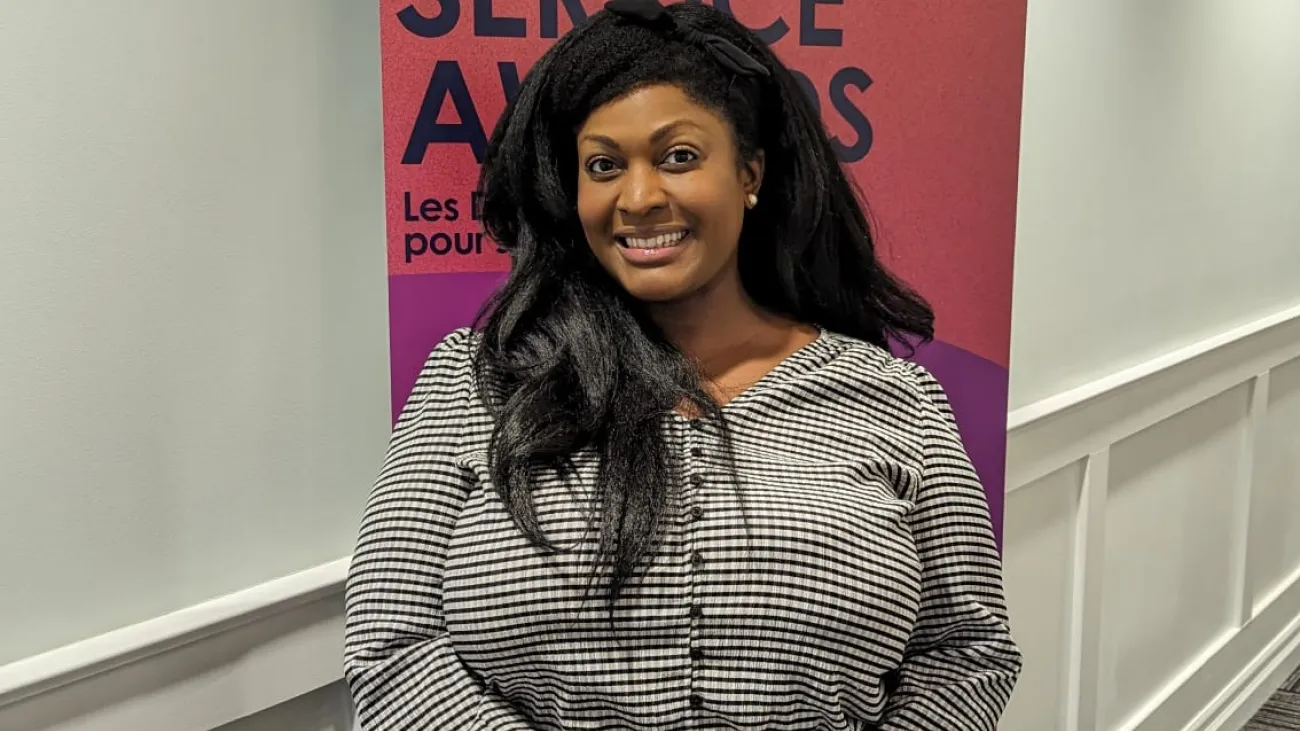
"The Social Service Worker (SSW) program prepared me for the job I have now, in a multitude of ways: it provided me with a highly diverse cohort and faculty that sharpened my communication, critical thinking and conflict resolution skills. Each course provided exceptionally rich content within the mental health, community development, employment, housing, youth and disabilities sectors that discussed structural/macro inequities related to policy, case management, neoliberalism and anti-oppressive practices. As a 2nd year SSW student, I was a Senior Peer Leader for 1st year SSW students and this experience ignited my passion working with students, which is what I do now as a field education manager."
Talena Jackson
Ontario College Diploma
"Throughout my two years as a George Brown Polytechnic student, I have been provided with an adaptable, unique and diverse experience.
The learning from my program classes has given me a vibrant edge in the field that undoubtedly shaped my experience as a working professional.
The faculty have been incredibly accommodating, understanding, and have created a space where my opinion matters. I have been hired for a full-time position and have received two other phone calls for interviews.
George Brown's student placement opportunities, dedicated faculty and leading edge teaching have helped me to become a more confident Social Service Worker and I will forever be grateful."
Brittany Clayton
Ontario College Diploma
“The vast education I received helped me to understand social work and open my mind to the many sectors available within the field.”
Belinda Batista
Ontario College Diploma
George BrOWN Your Tomorrow! Join our mailing list for important dates, program updates, future student events, helpful tips and more.
Visit
Our Virtual Tour showcases the following areas:
- Campus Facilities
- Student Services
- Applied Learning Environments
- Labs & Classrooms